Remember that sci-fi movie where robots did everything, and humans well, they mostly just were? It felt far-fetched, didn’t it? Yet, here we are, standing on the precipice of a future where automation and artificial intelligence AI are rapidly reshaping our workplaces. It’s not about robots taking over our jobs entirely, but rather a profound evolution in how we work, what skills are valued, and even the very definition of a job.This isn’t just a tech trend; it’s a societal shift that promises both exciting opportunities and significant challenges. So, buckle up, because we’re about to dive deep into what the future of work truly holds.
The Automation Revolution: Beyond Repetitive Tasks
When we talk about automation, many of us picture factory floors with robotic arms assembling cars. While that’s certainly a part of it, the scope of automation has expanded exponentially. We’re now seeing software robots handling administrative tasks, algorithms optimizing supply chains, and automated systems managing customer service inquiries.
What’s Driving This Change?
Several factors are fueling the acceleration of automation:
- Technological Advancements: Faster processors, more sophisticated algorithms, and improved sensor technology make automation more capable and cost-effective.
- Data Availability: The sheer volume of data being generated allows AI systems to learn and improve at an unprecedented rate.
- Economic Pressures: Businesses are constantly seeking ways to increase efficiency, reduce costs, and improve productivity.
- Globalization: The need to compete on a global scale often necessitates the adoption of advanced technologies.
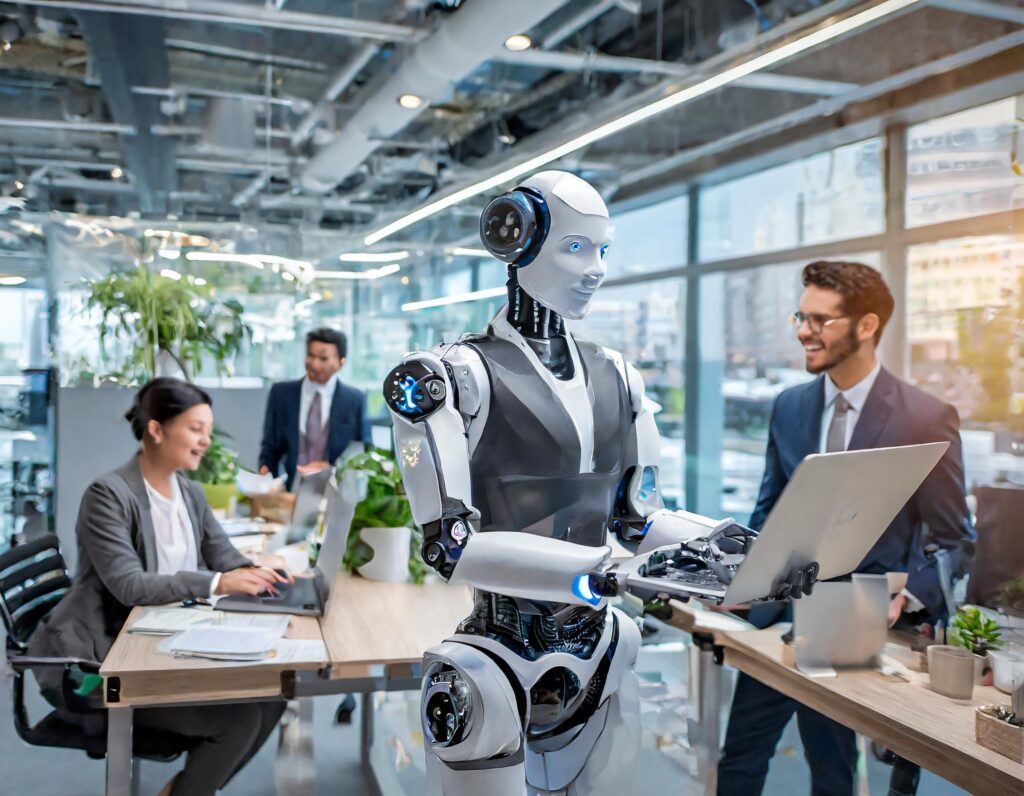
The key takeaway here is that automation isn’t just about replacing human labor; it’s about augmenting it. It frees human workers from repetitive, mundane tasks so they can focus on more complex, creative, and strategic efforts.
AI: The Brains Behind the Brawn
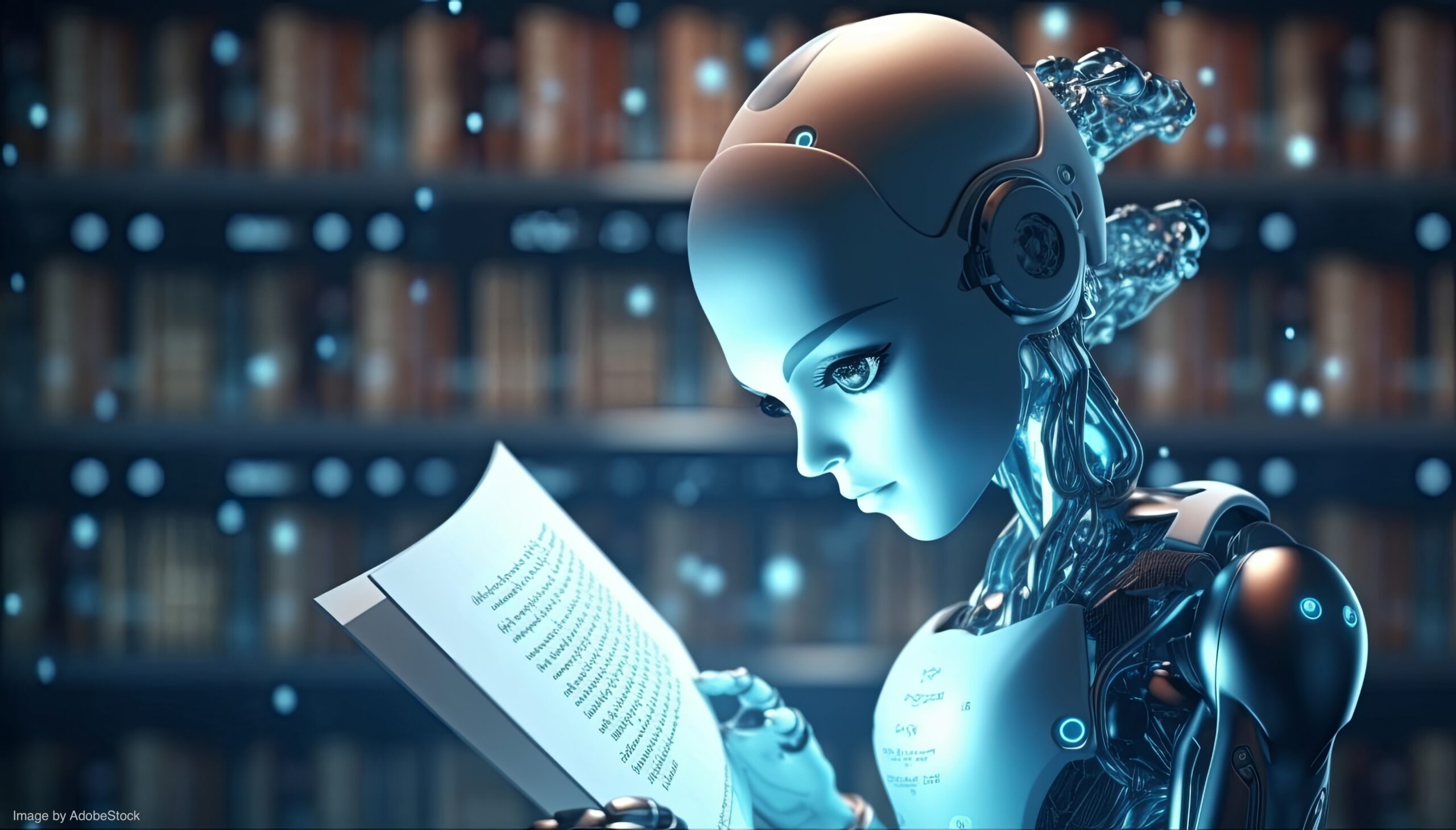
If automation is the muscle of the future workforce, AI is undoubtedly the brain. AI’s ability to analyze vast datasets, identify patterns, make predictions, and even learn from experience is truly transformative.
How AI is Reshaping Industries
- Finance: AI powers fraud detection, algorithmic trading, and personalized financial advice.
- Retail: AI optimizes inventory management, enhances customer experience through personalized recommendations, and streamlines logistics.
- Education: AI can personalize learning experiences, grade assignments, and provide insights into student performance.
It’s crucial to understand that AI isn’t simply following programmed instructions. Modern AI, particularly machine learning and deep learning, can adapt and evolve, making it an incredibly powerful tool for navigating complex, ever-changing environments. For those curious about how AI is impacting various industries and consumer choices, you might find some interesting insights and deals on how these technologies are shaping our everyday lives by exploring platforms like deepdiveinsight.
The Evolving Workforce: Skills for a New Era
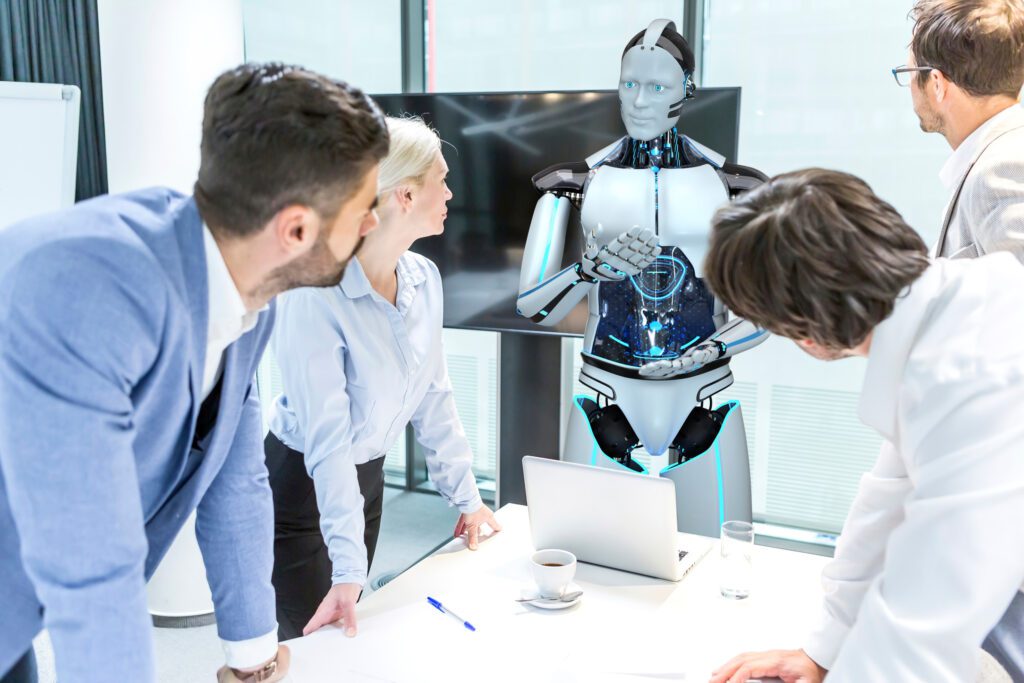
As automation and AI take over routine tasks, the demand for uniquely human skills will undoubtedly surge. This isn’t about humans competing against machines, but rather learning to work with them.
Essential Skills for the Future
- Creativity and Innovation: Machines can process information, but true innovation, the ability to think outside the box and generate novel ideas, remains a distinctly human trait.
- Critical Thinking and Problem-Solving: As problems become more complex, the ability to analyze situations, identify root causes, and devise effective solutions will be paramount.
- Emotional Intelligence: Understanding and managing emotions – both our own and others’ – will be crucial for effective teamwork, leadership, and customer interaction.
- Adaptability and Lifelong Learning: The pace of change will only accelerate. Workers must be willing and able to continuously learn new skills and adapt to evolving job roles.
- Collaboration and Communication: Working effectively with diverse teams, often remotely and across different cultures, will be more important than ever.
- Digital Literacy: A fundamental understanding of how technology works, and the ability to utilize various digital tools, will be a baseline requirement for almost all jobs.
For a deeper understanding of these evolving trends and how they impact various sectors, including in-depth analyses and reports, you can always explore resources like deepdiveinsight.
Challenges and Opportunities on the Horizon
The transition to a more automated and AI-driven workforce isn’t without its challenges. Concerns about job displacement, the need for widespread reskilling, and ethical considerations surrounding AI are all valid.
Navigating the Future
- Reskilling and Upskilling Initiatives: Governments, educational institutions, and businesses must collaborate to provide accessible and effective training programs to equip workers with the skills needed for future jobs.
- Rethinking Education: Our education systems need to evolve to focus more on critical thinking, creativity, and interdisciplinary learning, rather than rote memorization.
- Ethical AI Development: Developing and deploying AI responsibly, with a focus on fairness, transparency, and accountability, is paramount.This includes addressing biases in algorithms and protecting data privacy.
- New Job Creation: While some jobs may be displaced, new ones will emerge. We’re already seeing roles such as AI trainers, data ethicists, and human-AI collaboration specialists. The key is to anticipate these emerging roles and prepare the workforce for them.
It’s clear that the future of work isn’t a dystopian vision of human obsolescence. Instead, it’s an exciting opportunity to redefine human potential and create more fulfilling work experiences. The focus shifts from repetitive tasks to areas where human creativity, empathy, and strategic thinking truly shine. As the World Economic Forum consistently highlights in its Future of Jobs reports, new technologies inevitably lead to the creation of new roles, often unforeseen.techcrunch


Frequently Asked Questions
Will AI and automation take all our jobs?
Not all, but roles are evolving. In 2026, 40% of apps use AI Agents as coordinators. The risk isn’t just replacement, but “irrelevance” for those who don’t learn to manage these digital agents.
What are the most important skills for the 2026 workforce?
AI Orchestration and Hybrid Literacy. Employers now prize a blend of AI technical fluency with uniquely human skills like empathy, ethical judgment, and complex problem-solving.
How can individuals prepare for the future of work?
dopt the Four-Screen Career model: balance your current role with constant upskilling, side projects, and community work. Focus on becoming a Manager of Agents rather than just a task-doer.
What role will lifelong learning play in the 2026 economy?
It’s the new baseline. In 2026, skills for AI-exposed roles evolve 66% faster than others. Continuous, modular learning is now more valuable for immediate wage growth than a static four-year degree.