AI Future Trends It feels like just yesterday that “AI” was a buzzword reserved for science fiction movies. Today, in 2025, it’s an undeniable force that is reshaping our world at an unprecedented pace. From the way we work and communicate to how we shop and manage our health, artificial intelligence isn’t just an emerging technology—it’s a foundational shift. This is no longer a future concept; it’s a present reality that is affecting every industry, job, and aspect of our daily lives.
The rapid advancements we’ve seen in the last few years, particularly in generative AI, have moved us from a phase of cautious experimentation to one of full-scale integration. Organizations of all sizes are leveraging AI to automate tasks, gain deeper insights from data, and create innovative products. The question is no longer “if” you should adopt AI, but “how” you can adapt to this new era of intelligent systems.
The Future of AI Technology: The Rise of Agentic AI
One of the most significant trends defining 2025 is the rise of what experts call “agentic AI.” This goes beyond the simple, task-oriented AI of the past. Instead of just answering a prompt or generating an image, agentic AI is designed to perform a series of complex, interconnected tasks autonomously to achieve a higher-level goal.
Think of it like this: A traditional AI might write a marketing email for you.An agentic AI, by contrast, could develop an entire marketing campaign independently. It would research your target audience, draft the email content, design the accompanying visuals, schedule the email for the optimal time, and even analyze the performance data to refine future campaigns—all with minimal human oversight. This shift is poised to redefine productivity and is a key area for growth and innovation.
agentic AI definition
This new form of AI is characterized by its ability to act with a degree of independence. Unlike conventional AI that requires a new prompt for every task, agentic AI has a goal-driven mindset. It can break down a large objective into smaller, manageable sub-tasks, use different tools (like web browsers or other software), and make decisions on its own to achieve the final outcome. This autonomy is what sets it apart and is driving its rapid adoption in 2025.

How AI is Rewiring Our Workplaces and Job Market
The impact of AI on the job market is a topic on everyone’s mind. While fears of job displacement exist, the situation is more complex than it appears. The World Economic Forum’s Future of Jobs Report 2025 paints a picture of a dynamic labor market, where AI and technology are expected to create more jobs than they eliminate.
This doesn’t mean it’s business as usual. Many existing roles, especially those involving repetitive or data-driven tasks, are being transformed. White-collar jobs in fields like market research, sales, and even entry-level software engineering are seeing significant changes. However, this is also leading to a surge in demand for new roles and skills. We are seeing a boom in positions like AI ethicists, data scientists, and “prompt engineers” who specialize in communicating effectively with AI models. The key takeaway is that the most valuable skills for the future will be those that complement AI, such as critical thinking, creativity, and human-centric problem-solving. To get a head start on this, a great place to dive into these topics is [deepdiveinsight.com], where you can find detailed analysis and articles on emerging trends in technology and how they affect your career.
AI’s Impact on Society and Key Industries
AI isn’t confined to the tech sector; its influence is felt everywhere, reshaping our society in profound ways.
Healthcare:AI Future Trends is revolutionizing healthcare by assisting with everything from drug discovery and disease diagnosis to personalized treatment plans.Machine learning algorithms can process extensive patient data — such as medical images and genetic profiles — to detect patterns that may elude human observation.This is leading to earlier detection of diseases and more targeted therapies.
Finance: The financial sector has long used AI for fraud detection and algorithmic trading. In 2025, we are seeing a new emphasis on “explainable AI” (XAI). This means AI models aren’t just making decisions; they are also providing clear, understandable reasons for their recommendations. This is essential for meeting regulatory standards and fostering customer trust.
Retail and E-commerce: AI is taking personalization to the next level. Retailers are using AI to create hyper-personalized shopping experiences, from dynamically generated product descriptions to personalized promotional emails. AI is also optimizing supply chains and managing inventory, ensuring customers get the products they want, when they want them.
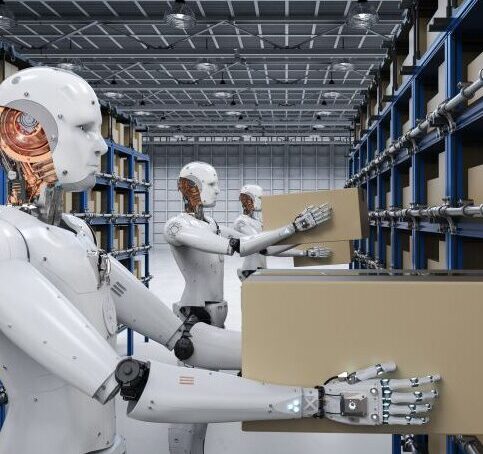
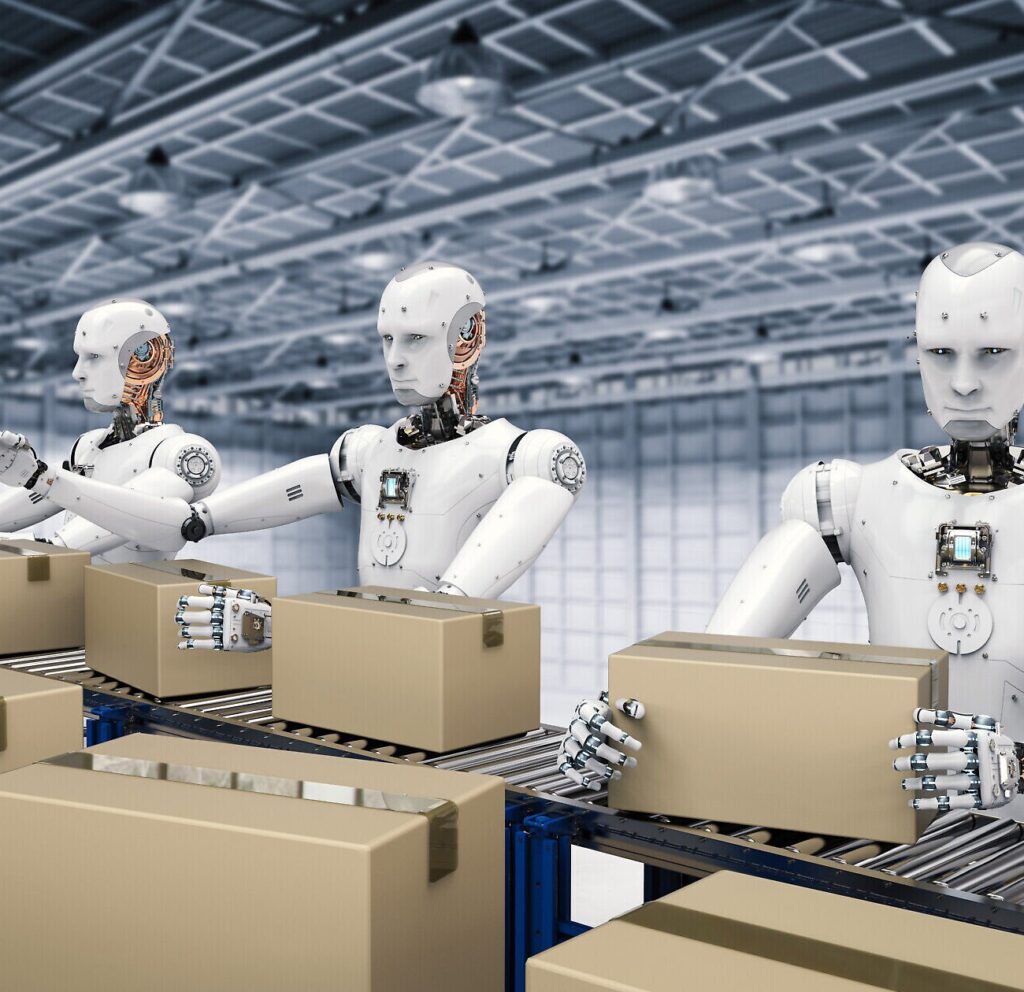
Manufacturing: “Smart factories” are becoming the norm. AI-powered digital twins allow manufacturers to create virtual replicas of their factories to test new layouts, predict equipment failures, and optimize energy usage in real-time. This translates to increased efficiency, reduced downtime, and higher product quality.
Navigating the Ethical and Societal Challenges
With all this innovation comes a new set of responsibilities. As AI becomes more integrated into our lives, questions about ethics, bias, and data privacy are more important than ever.Companies and governments are working to ensure AI is developed and deployed responsibly. The conversation is shifting towards creating a framework that ensures AI systems are transparent, fair, and accountable. This includes addressing issues of data bias, where an AI model might perpetuate or even amplify societal biases if trained on flawed or incomplete data.
Unlocking Savings with AI-Powered Deals
While you’re exploring the AI Future Trends, don’t miss out on the incredible savings available today. AI is even changing how we find the best deals and coupons. Algorithms are now able to analyze pricing data across thousands of retailers to identify the best discounts in real-time. Whether you’re looking for tech gadgets, home goods, or travel deals, AI-driven platforms are a game-changer. For a curated selection of the latest coupons and offers, be sure to check out [coupons.deepdiveinsight.com]. We’re dedicated to helping you make the smartest purchasing decisions possible.
The Future is Now: A Call to Adapt
AI trends 2025 marks a pivotal moment in the age of artificial intelligence. We are moving from a world where AI was a specialized tool to one where it is an essential part of our daily infrastructure. This shift presents both challenges and incredible opportunities. The companies and individuals who succeed will be those who embrace this change, prioritize upskilling, and focus on the human-centric skills that AI cannot replicate. The future isn’t about competing with AI; it’s about collaborating with it to unlock new levels of creativity and efficiency. Now is the time to prepare and adapt.
AI Future Trends Frequently Asked Questions (FAQs)
What is the biggest difference between AI in 2024 and 2025?
In 2025, the focus has moved from single-task generative AI to “agentic AI,” which can perform a series of complex tasks autonomously to achieve a higher-level goal.
Will AI take all our jobs?
No. While AI will automate many tasks and displace some jobs, it is also creating millions of new roles, requiring a focus on upskilling and adapting to new technologies.
How can I prepare for an AI-driven job market?
Focus on developing skills that complement AI, such as critical thinking, creativity, emotional intelligence, and complex problem-solving.
How is AI helping with climate change?
AI is a powerful tool for sustainability, used to optimize energy grids, analyze satellite imagery for deforestation, and forecast environmental impacts more accurately.
What is “Explainable AI”?
Explainable AI (XAI) refers to AI models that provide clear, understandable reasons for their outputs or decisions, which is crucial for building trust and ensuring accountability.