
Every few years, a technology emerges that fundamentally changes the landscape. While 2024 and 2025 were defined by “chatting” with AI, 2026 is the year of execution. We have moved beyond incremental updates into a paradigm shift driven by Agentic systems AI that can reason, plan, and act autonomously across different platforms to achieve complex goals.
The Dawn of a New Era: Understanding Modern Tech Breakthroughs
Every few years, a technology emerges that doesn’t just improve existing systems but fundamentally changes the landscape. Think about the internet, the smartphone, or more recently, the widespread adoption of AI. These aren’t incremental updates; they are paradigm shifts that open up entirely new possibilities. What drives these breakthroughs, and how do they go from a glimmer in a researcher’s eye to a device in your pocket or a system running our cities?
The journey often begins in research labs, both academic and corporate, where fundamental scientific principles are explored. Ideas are then prototyped, tested rigorously, and refined through countless iterations. Crucially, the ability to scale these innovations, making them accessible and affordable, is what truly propels them from a niche concept to a widespread reality.
Artificial Intelligence: From Assistance to Autonomy
Artificial Intelligence (AI) is no longer confined to a text box on your screen. In 2026, it has become a collaborative colleague.
What is Driving the Agentic AI Revolution?
The surge in AI capabilities this year is fueled by Cognitive Density. Rather than just building larger models, developers have focused on efficiency and “Adaptive Thinking.” Modern models, like the latest iterations of GPT and Claude, can now assess the complexity of a task and allocate “thinking time” accordingly solving a logic puzzle with deep reasoning while handling simple queries instantly.
AI Applications in 2026 Daily Life
Digital Content Integrity: With the rise of sophisticated generation, 2026 has seen the widespread adoption of cryptographic watermarking like SynthID to verify authentic human-made content, consider visiting deepdiveinsight. For a broader perspective on the ongoing research and developments in AI, sources like the MIT Technology Review provide excellent insights.
Hyper-Personalized Healthcare: AI now analyzes multimodal data combining your genetic profile with real-time data from wearables to predict illness before symptoms appear.
Autonomous Workflows: Enterprise AI agents now manage entire business processes, from negotiating vendor contracts to performing deep security audits on legacy codebases.


The Quantum Leap: Unlocking Unprecedented Computing Power
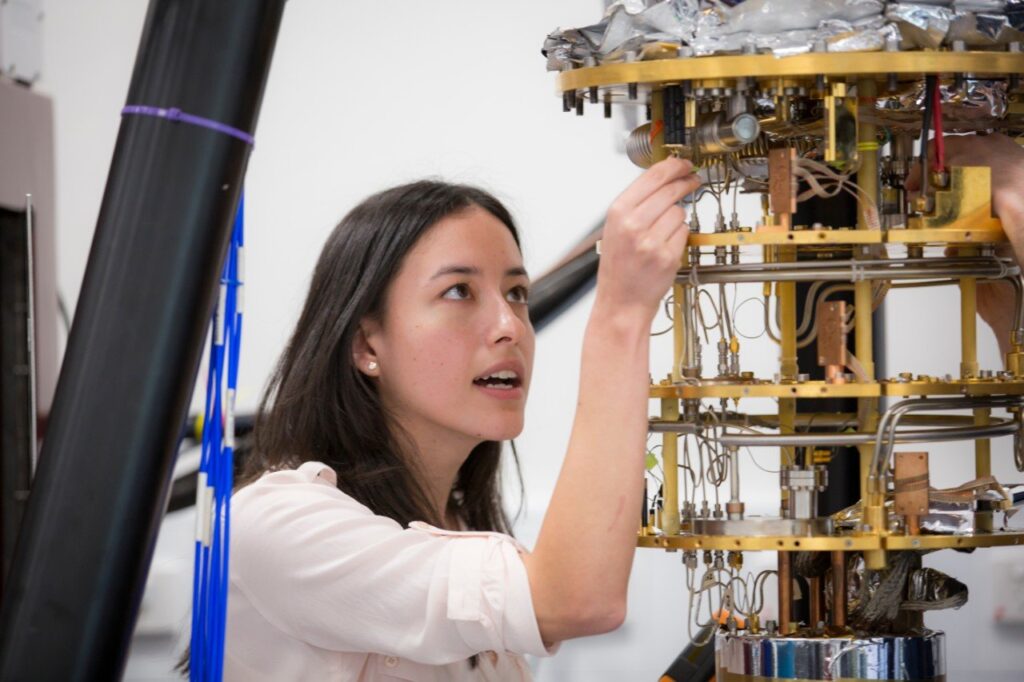
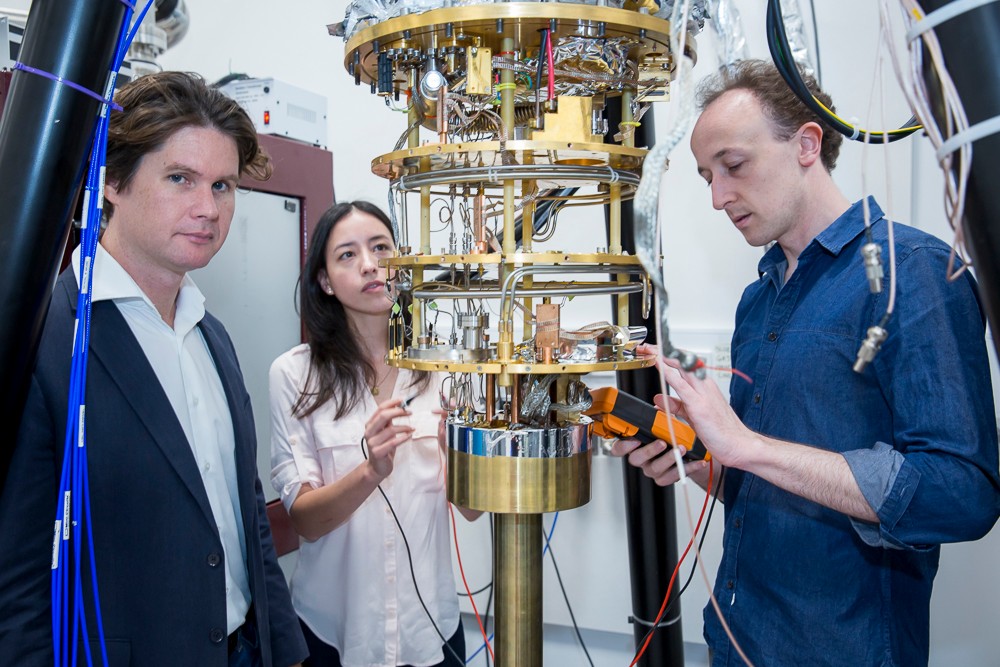
While still in its nascent stages, quantum computing represents a potentially monumental shift in computational power. Unlike traditional computers that store information as bits (0s or 1s), quantum computers use “qubits” which can exist in multiple states simultaneously, allowing for exponentially more complex calculations.
Quantum Computing for Beginners: How it Works
Picture navigating the quickest path through a complex maze.A classical computer would explore each path one at a time. A quantum computer, leveraging superposition and entanglement, could theoretically explore all paths at once, finding the solution far more rapidly for certain problems. This difference in fundamental operation opens doors to solving problems currently intractable for even the most powerful supercomputers.
Redefining Connectivity: 5G-Advanced and the 6G Horizon
The rollout of 5G-Advanced (Release 18) has brought us closer to a truly “Integrated Sensing and Communication” (ISAC) world.
The Impact of 5G-Advanced
Beyond faster downloads, 5G now acts as a radar. By tracking the path and reflections of cellular signals, networks can create a digital map of a city in real-time—tracking connected cars, delivery drones, and even robots without the privacy concerns of traditional cameras.
Looking Toward 6G (2030)
In 2026, the first official specifications for 6G are being drafted. This future network is designed to be AI-native, meaning the network itself will function as an autonomous agent, self-healing and optimizing itself to provide near-zero latency for immersive Extended Reality (XR) experiences.

Personalized Medicine: Tailoring Healthcare Through Innovation
The confluence of genomics, big data, and advanced analytics is paving the way for truly personalized medicine. No longer a “one-size-fits-all” approach, healthcare is moving towards treatments tailored to an individual’s unique genetic makeup, lifestyle, and environment.
Genomics and Targeted Therapies
Recent advances in DNA sequencing have lowered costs and increased access to individual genome mapping. This information can then be used to understand predispositions to certain diseases, predict responses to medications, and even design therapies that target specific genetic mutations, such as in certain cancers. This level of precision in treatment leads to greater effectiveness and reduced side effects.
Wearable Tech and Proactive Health Management
Beyond genetics, wearable health trackers are providing a continuous stream of real-time health data, from heart rate variability to sleep patterns. This data, when analyzed with AI, can provide early warnings of potential health issues, encourage healthier lifestyle choices, and empower individuals to take a more proactive role in managing their well-being. The integration of these technologies into healthcare systems is still evolving, but the potential for preventative and personalized care is immense.
Sustainable Technology Advancements: Innovating for a Greener Future
As technology advances, so too does our awareness of its environmental footprint. A significant area of modern innovation is dedicated to developing sustainable technologies that reduce our impact on the planet.
Renewable Energy Breakthroughs
Breakthroughs in solar panel efficiency, wind turbine design, and energy storage solutions are making renewable energy sources more viable and cost-effective than ever before. Innovations in battery technology, for instance, are crucial for storing intermittent renewable energy, ensuring a reliable power supply. These advancements are critical in the global effort to transition away from fossil fuels. For a deeper look into the latest in green energy, you might find articles from reputable sources like the National Renewable Energy Laboratory (NREL) insightful.
Green Computing and Circular Economy Principles
Beyond energy generation, there’s a growing focus on “green computing,” which aims to minimize the environmental impact of IT operations through energy-efficient hardware, optimized software, and responsible disposal of electronic waste. The concept of a circular economy in tech, where products are designed for longevity, repairability, and recycling, is also gaining traction, aiming to reduce waste and conserve resources.
From Dreams to Deals: Finding Value in Innovation
As these groundbreaking technologies become more mainstream, so too do the opportunities to engage with them. Whether it’s investing in innovative companies, adopting new devices for personal or professional use, or finding educational resources to understand their impact, there’s a growing ecosystem around modern tech.
Coupons & Deals on Cutting-Edge Tech
For those looking to experience the latest innovations without breaking the bank, keeping an eye out for deals and promotions is key. Many retailers and manufacturers offer discounts on new tech products, and specialized coupon sites can be a great resource. Make sure to check deepdiveinsight for potential savings on everything from AI-powered gadgets to smart home devices. Seasonal sales, like Black Friday or Cyber Monday, are also prime opportunities to snag cutting-edge tech at reduced prices.
Conclusion: The Ever-Evolving Frontier
The path from concept to reality in modern technology showcases human ingenuity and the relentless drive for progress.From the transformative power of AI and quantum computing to the foundational changes brought by 5G and the promise of personalized medicine and sustainable tech, the innovations continue to redefine what’s possible. As we move forward, these breakthroughs will undoubtedly continue to shape our world in ways we can only begin to imagine, making it an exciting and dynamic field to observe and engage with.
Frequently Asked Questions
What is the biggest impact of AI on daily life?
AI profoundly impacts daily life through personalized recommendations, enhanced security systems, and increasingly, smarter healthcare diagnostics and automated tasks, making routines more efficient.
How will 5G change our smart homes?
5G will enable seamless communication between devices, faster data transfer for complex smart home systems, and support for more immersive AR/VR experiences within your home.
Is quantum computing available for general use?
No, quantum computing is currently in its early research and development phase, primarily accessible to researchers and large corporations for specialized problem-solving.
What is personalized medicine?
Personalized medicine tailors healthcare treatments to an individual’s unique genetic makeup, lifestyle, and environmental factors for more effective and precise care.
How can I find deals on new tech products?
You can find deals on new tech products by checking major retailers, manufacturer websites, and dedicated coupon sites like deepdiveinsight during seasonal sales and promotional periods.