
The world of health and fitness is undergoing a monumental transformation, driven by the rapid advancements in wearable technology. What began with simple step counters has evolved into sophisticated devices that offer deep insights into our bodies, empowering us to take unprecedented control over our well-being. From smartwatches tracking our sleep cycles to rings monitoring our recovery, wearable tech isn’t just a trend; it’s permanently reshaping how we understand, manage, and optimize our health.
This article will explore the profound impact of wearable technology on health and fitness, delving into the innovative features, the tangible benefits, and what the future holds for this exciting field.
The Rise of the Connected Body: A New Era of Personal Health Management
Gone are the days when comprehensive health monitoring was confined to a doctor’s office. Today, an ever-growing array of wearable devices provides real-time, continuous data, putting crucial information about our bodies directly at our fingertips. This accessibility has ignited a new era of proactive health management, allowing individuals to identify trends, spot potential issues early, and make informed lifestyle choices.
smartwatch benefits and features
Modern wearable tech goes far beyond basic activity tracking, with smartwatches leading the charge. These miniature marvels integrate an impressive suite of sensors and intelligent algorithms to paint a holistic picture of our health, offering a wide array of benefits and features that empower users.
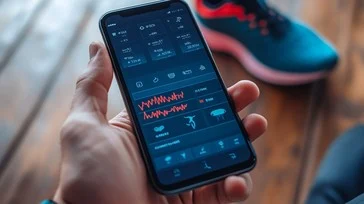
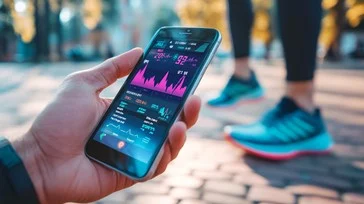
- Comprehensive Heart Health Monitoring: Nearly all wearables today feature optical heart rate sensors, providing continuous data on our beats per minute (BPM) during workouts, at rest, and throughout the day. Advanced smartwatches now offer ECG capabilities for on-demand checks for signs of atrial fibrillation (AFib) and even heart rate variability (HRV) for assessing stress and recovery.
- Precision Activity and Exercise Tracking: From counting steps and calories burned to automatically recognizing various exercises like running, swimming, or cycling, wearables motivate us to stay active and reach our fitness goals. Many devices also offer advanced GPS tracking with multi-band GNSS for highly accurate route mapping and distance measurement, crucial for outdoor adventurers.
- In-Depth Sleep Analysis: Understanding our sleep patterns is vital for overall health. Wearables meticulously track sleep stages (light, deep, REM), sleep duration, and even disturbances, offering insights into sleep quality and helping users establish healthier bedtime routines. Newer features include sleep apnea detection (e.g., watchOS 11 updates).
- Beyond the Basics: SpO2, Skin Temperature, and Stress: The ability to measure blood oxygen saturation (SpO2) provides valuable information about respiratory function. Monitoring skin temperature trends can offer insights into illness, hormonal changes, and early signs of fever. Many devices offer guided breathing exercises to help manage stress in real-time.
- AI-Integrated Health Analytics: The latest smartwatches are leveraging AI to provide deeper physiological insights, learning user behavior, adapting to patterns, and even predicting potential health issues. This includes AI-powered conversational features and advanced insights into training and recovery.
These features, often integrated into sleek smartwatches, discreet rings, or even patches, empower individuals with actionable data, fostering a deeper connection with their own physiology.
How Wearable Technology Benefits Overall Health and Wellness
Wearable technology goes far beyond basic metric tracking in its impact. It’s fundamentally changing how we approach health and fitness, offering benefits that were once unimaginable.
Personalized Fitness Journeys: Tailoring Workouts to Your Unique Body
One of the most significant advantages of wearable tech, directly contributing to wearable technology benefits for health, is its ability to personalize fitness. Instead of generic workout plans, your device analyzes your performance, recovery, and biometric data to suggest optimal training loads, rest periods, and even specific exercises. This data-driven approach maximizes effectiveness and minimizes the risk of injury, truly tailoring your fitness journey to your unique needs.
For instance, if your sleep quality was poor, your wearable might recommend a lighter workout or more active recovery, preventing overtraining and promoting better recovery. This level of personalized guidance makes achieving fitness goals more efficient and sustainable.
Proactive Health Monitoring: Catching Issues Early for Better Outcomes
Wearables are shifting healthcare from a reactive model to a proactive one. By continuously monitoring vital signs and detecting anomalies, these devices can alert users to potential health issues before they become severe. The ability to detect irregular heart rhythms, changes in sleep patterns, or unusual temperature fluctuations can prompt timely medical consultation, potentially preventing serious conditions and improving long-term outcomes. This preventive aspect is particularly valuable for individuals managing chronic conditions, allowing for remote monitoring and early intervention. For more statistics and facts on the global wellness economy and the impact of health technology, refer to the Global Wellness Institute’s research.
Motivation & Accountability: A Health Coach on Your Wrist
The constant feedback and goal-setting features inherent in wearable tech serve as powerful motivators. Seeing your step count rise, your sleep score improve, or your heart rate zones optimize can be incredibly encouraging. Many devices offer gamification elements, challenges, and social sharing features, fostering a sense of community and friendly competition that further drives engagement and accountability. It’s like having a personal health coach on your wrist, providing nudges and encouragement throughout your day.


Bridging the Gap: Wearables and Professional Healthcare Integration
The data collected by wearables is increasingly being integrated into professional healthcare. Physicians can gain a more comprehensive understanding of a patient’s daily habits and physiological trends, leading to more accurate diagnoses and personalized treatment plans. This seamless flow of information between personal devices and healthcare providers is enhancing patient-provider interactions and paving the way for a more connected and efficient healthcare system. For a deeper dive into how technology is transforming various industries, explore [deepdiveinsight.com/] for expert analysis and insights.
Top Wearable Devices for Complete Health Tracking
The market for wearable health monitoring devices is diverse, with options catering to various needs and preferences. Choosing the “best” often depends on your specific health goals, ecosystem (iOS vs. Android), and desired level of data granularity.
Top Picks for Overall Health and Fitness Tracking
When seeking the best wearable devices for health monitoring, several stand out for their comprehensive features and accuracy:
- Apple Watch Series 10 (and Ultra 2): Consistently lauded for its all-around health tracking, including ECG, blood oxygen, temperature sensing, and robust app ecosystem. The Ultra 2 offers enhanced durability and advanced GPS for extreme sports.
- Samsung Galaxy Watch Series (e.g., Galaxy Watch 7/Ultra): A strong contender for Android users, offering features like body composition analysis (BIA), ECG, heart rate, and seamless integration with Samsung Health and Google Health. The Galaxy Watch Ultra is designed for ruggedness and extended battery.
- Oura Ring Gen 4: For those who prefer a discreet, screenless option, the Oura Ring excels in sleep tracking, readiness scores, and holistic wellness insights through HRV and temperature trends. It’s highly valued for stress management and recovery focus.
- WHOOP 4.0: A screenless band favored by athletes and fitness enthusiasts, focusing intensely on strain, recovery, and sleep, providing in-depth personalized coaching to optimize performance and prevent overtraining.
- Garmin Forerunner/Venu Series: Garmin devices are go-to choices for serious athletes and outdoor enthusiasts, offering precision GPS, advanced performance analytics, VO2 max, and real-time stamina tracking. The Venu series adds more lifestyle features.
- Fitbit Charge 6 and Inspire 3: Excellent choices for beginners or those seeking budget-friendly, yet comprehensive fitness and health tracking, including heart rate, sleep, SpO2, and stress monitoring.
Each of these devices offers a unique blend of features, but all aim to provide actionable insights that empower users to take control of their health.
Unlocking Savings: Deals on Your Favorite Wearable Tech
Investing in your health and fitness doesn’t have to break the bank. Many retailers and manufacturers offer fantastic deals on the latest wearable technology. Keep an eye out for seasonal sales, bundle offers, and special promotions. You can often find significant discounts on smartwatches, fitness trackers, and smart rings during major shopping events like Black Friday, Cyber Monday, or even back-to-school sales. Before making a purchase, always check [coupons.deepdiveinsight.com] for exclusive coupon codes and promotions that can help you save even more. Smart shopping ensures you get the best tech at the best price.
The Road Ahead: The Future of Wearable Tech in Health
Wearable technology continues to evolve rapidly. We can anticipate even more sophisticated and integrated devices in the coming years. Imagine wearables that can non-invasively monitor blood glucose levels, track mental health indicators with greater precision, or even deliver medication. The integration of artificial intelligence (AI) will lead to even more personalized insights and predictive health analytics, allowing devices to anticipate health issues before they arise.
The wearable technology market is expected to see continued robust growth, fueled by rising health awareness and rapid technological progress.According to Grand View Research, technology market was valued at USD 84.2 billion in 2024 and is expected to grow to USD 186.14. Smart clothing, wearable patches, and even implantable devices are emerging, offering increasingly seamless and discreet health monitoring. As the technology becomes more affordable and accessible, wearable tech will continue to democratize health, putting powerful tools for wellness into the hands of millions. The future of health and fitness is clearly connected, personalized, and powered by innovations in wearable technology.
Frequently Asked Questions (FAQs)
How accurate are wearable tech devices for health tracking?
Modern wearables are increasingly accurate for heart rate, steps, and sleep, but medical-grade devices offer higher precision for critical health metrics. Always consult a doctor for diagnosis.
Can wearable tech truly help prevent health issues?
Yes, by providing continuous data and alerting users to anomalies, wearables enable proactive health management, potentially leading to earlier detection and prevention of various conditions.
Is the health data stored on my wearable device secure?
Reputable wearable manufacturers prioritize data security and privacy, often encrypting data. However, it’s crucial to review privacy policies and be mindful of what data you share.
What’s the best wearable for overall health and fitness?
The “best” depends on individual needs. Smartwatches offer broad features, while fitness trackers are specialized. Consider your primary goals: sleep, activity, or advanced health monitoring.
Are there affordable wearable tech options available?
Absolutely! TThere’s a broad selection of devices available across different price ranges.Many brands provide excellent budget-friendly options that still deliver core health and fitness tracking capabilities.