

The year 2026 stands as a pivotal moment, a vibrant intersection where cutting-edge technological advancements are not merely incremental improvements but catalysts for profound, systemic shifts across global industries. From the factory floor to the boardroom, from healthcare to finance, emerging technologies are redefining operational paradigms, fostering unprecedented efficiencies, and creating entirely new avenues for innovation and growth.
This isn’t just about faster processes; it’s about a fundamental reimagining of how industries function, compete, and deliver value in a post-generative AI world
The Driving Forces: Key Technologies Pioneering Change
The current technological renaissance is driven by a confluence of powerful innovations. Understanding their individual and combined impacts is crucial for any business looking to thrive in this rapidly evolving landscape.
Artificial Intelligence (AI) and Machine Learning: Intelligence at Scale
Artificial intelligence, especially its advanced subsets like generative AI and AI agents, is no longer a futuristic concept but a present-day workhorse. In 2026, AI is deeply embedded in operations, driving efficiency, personalization, and predictive capabilities across various sectors.
- Transforming Decision-Making: AI algorithms are processing vast datasets to provide real-time insights, enabling smarter, data-driven decisions in areas like supply chain optimization, risk management, and customer service. Expect to see AI agents autonomously handling routine business decisions, freeing up human capital for more strategic tasks.
- Hyper-Personalization in Customer Experience: AI-powered chatbots and virtual assistants are revolutionizing customer interactions, offering highly personalized experiences and streamlining support. This ranges from tailored product recommendations in e-commerce to intelligent banking assistants.
- Unlocking New Frontiers in Research and Development: In fields like healthcare and pharmaceuticals, AI is significantly accelerating drug discovery by simulating molecular interactions, leading to faster development cycles and personalized treatments. For a deeper dive into the transformative potential of AI in healthcare, you can read more from leading institutions like McKinsey & Company on their insights into how AI is shaping the future of health. (Source: McKinsey & Company)
The Internet of Things (IoT): Connecting the Physical and Digital Worlds
The proliferation of interconnected devices is creating intelligent ecosystems that provide unprecedented visibility. By 2026, IoT is instrumental in bridging the gap between physical assets and digital intelligence..
- Industrial IoT (IIoT) for Smart Manufacturing: Factories are becoming “smarter” with IIoT sensors monitoring machinery performance, predicting maintenance needs, and optimizing production lines. This leads to reduced downtime, improved product quality, and significant cost savings.
- Smart Cities and Urban Living: IoT applications are enhancing urban environments by optimizing traffic flow, improving waste management, and bolstering public safety through real-time monitoring.
- Revolutionizing Healthcare and Wellness: Wearable IoT devices are empowering individuals to monitor their health continuously, while remote patient monitoring systems enable healthcare providers to track patient progress and intervene proactively.
Blockchain Technology: Building Trust and Transparency
Beyond cryptocurrencies, blockchain’s core principles of decentralization, immutability, and transparency are finding widespread application in 2026.
- Supply Chain Transparency and Traceability: Blockchain is being used to create tamper-proof records of goods as they move through supply chains, enhancing transparency, reducing fraud, and improving accountability from origin to consumer. For a comprehensive look at how blockchain is enhancing supply chain transparency, insights from organizations like BlockApps Inc. provide valuable context. (Source: BlockApps Inc.)
- Revolutionizing Financial Services (DeFi & CBDCs): Decentralized Finance (DeFi) platforms are maturing, offering a broader range of financial services without traditional intermediaries. Simultaneously, Central Bank Digital Currencies (CBDCs) are being piloted globally, leveraging blockchain for more efficient and secure payment systems.
- Securing Data and Intellectual Property: The inherent security features of blockchain are being leveraged to protect sensitive data and manage intellectual property rights across various industries.
Robotics and Automation: The Rise of Intelligent Machines
Robotics, increasingly integrated with AI, is transforming industries by automating repetitive tasks, improving precision, and operating in hazardous environments.
- Collaborative Robots (Cobots): Cobots are working alongside human employees, performing tasks that require precision or strength, thereby enhancing productivity and safety in manufacturing and logistics.
- Autonomous Systems: From self-driving vehicles optimizing logistics to autonomous drones for inspections and deliveries, autonomous systems are streamlining operations and opening up new possibilities for efficiency.
- Humanoid Robots for Specialized Tasks: While still evolving, humanoid robots are being developed for specific, complex tasks, particularly in industries like automotive and warehousing, promising new levels of automation.
Quantum Computing: The Next Computational Frontier
Though still in its nascent stages for widespread commercial application, quantum computing is an emerging tech poised to redefine what’s computationally possible. By 2026, we’re seeing early applications and significant advancements.
- Solving Complex Optimization Problems: Quantum algorithms hold the potential to solve problems currently intractable for classical computers, such as optimizing vast logistics networks, complex financial models, and drug discovery simulations.
- Advanced Cryptography: As quantum computers pose a theoretical threat to current encryption methods, the development of quantum-resistant cryptography is a critical area of focus, ensuring data security in the quantum era.
Reshaping Industries: A Deeper Dive into AI’s Impact and Robotics Automation Future 2026
The impact of these emerging technologies is not uniform, but rather tailored to the specific challenges and opportunities within each industry.
Manufacturing: Towards Industry 5.0 and the Robotics Automation Future 2026
The confluence of AI, IoT, and robotics is accelerating the move towards Industry 5.0, where human-machine collaboration takes center stage. Predictive maintenance, AI-driven quality control, and highly automated assembly lines are becoming standard, leading to unprecedented levels of efficiency and customization. For deeper insights into operational efficiency, explore the resources at deepdiveinsight.


Healthcare: Precision, Personalization, and Accessibility
Emerging tech is making healthcare more precise, personalized, and accessible. AI assists in diagnostics, drug development, and treatment planning. IoT devices enable continuous patient monitoring and remote care. Blockchain enhances the security and interoperability of patient data, while even early quantum computing applications hint at groundbreaking advancements in personalized medicine.
Finance: Digital Transformation and Enhanced Security – The Impact of AI on Global Industries 2026
The financial sector is undergoing a profound digital transformation. AI powers fraud detection, algorithmic trading, and personalized financial advice. Blockchain underpins new payment systems like CBDCs and improves the efficiency and security of cross-border transactions. Enhanced cybersecurity measures, including preparation for quantum-safe encryption, are paramount to protect sensitive financial data. The impact of AI on global industries in 2026, particularly finance, is clearly seen in these advancements, driving both efficiency and new security challenges.
Logistics and Supply Chain: Optimized for Resilience with Blockchain Trends in Supply Chain 2026
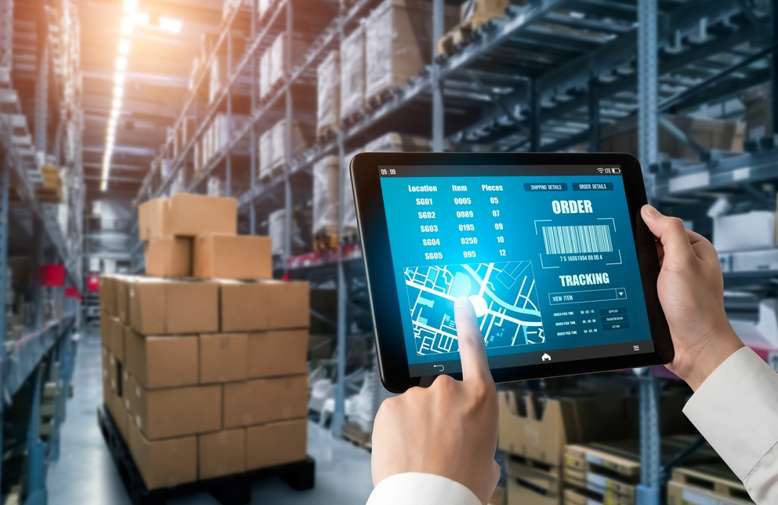
Global supply chains are becoming more resilient and efficient thanks to emerging tech. AI optimizes routing and inventory management, while IoT provides real-time tracking of goods. Blockchain offers end-to-end transparency, reducing bottlenecks and enhancing accountability. Autonomous vehicles and drones are transforming last-mile delivery and warehouse operations. The blockchain trends in supply chain 2026 emphasize this growing shift towards unparalleled transparency and traceability.
Coupons & Deals for Tech Solutions
As these groundbreaking technologies become more integrated into business operations, finding cost-effective solutions is crucial. Many leading tech providers offer competitive deals and incentives for businesses adopting new platforms or upgrading their infrastructure. Always check for the latest promotions and exclusive offers at deepdiveinsight to maximize your investment in emerging tech. These platforms often feature discounts on AI software, IoT hardware, cloud services, and cybersecurity solutions that can significantly reduce initial setup and ongoing operational costs.
The Path Forward: Adapting to a Tech-Driven Future
The rapid evolution of emerging tech in 2026 demands adaptability and a forward-thinking approach from businesses worldwide. Investing in continuous learning, fostering a culture of innovation, and strategically integrating these technologies are no longer options but necessities. Companies that embrace these changes will be well-positioned to unlock new growth opportunities, enhance their competitive edge, and navigate the complexities of the modern global economy.



Frequently Asked Questions
What is the most impactful emerging technology in 2026?
Artificial Intelligence AI, particularly generative AI and AI agents, is proving to be the most impactful, revolutionizing decision-making, customer experience, and research across all industries.
How is blockchain impacting industries beyond finance?
Beyond finance, blockchain is significantly enhancing supply chain transparency, securing data, and managing intellectual property rights, fostering trust and efficiency.
What role do collaborative robots play in manufacturing?
Collaborative robots cobots work alongside human employees, improving precision, safety, and productivity by automating repetitive or strenuous tasks on the factory floor.
How can businesses prepare for quantum computing’s future impact? Businesses should conduct quantum readiness assessments and begin exploring quantum-safe cryptography to protect data against potential future threats posed by quantum computers.
Where can I find deals on emerging tech solutions?
You can find current deals and promotions on various emerging tech solutions and platforms by visiting deepdiveinsight.