

The relentless pace of innovation in tech gadgets is matched only by the intricate dance of their global supply chains. As we step into 2026, the industry faces a complex web of challenges, from geopolitical shifts and raw material scarcity to the ever-present threat of cyberattacks and the burgeoning demand for sustainable practices. Navigating this labyrinth requires foresight, agility, and a strategic embrace of emerging technologies.
This article delves into the critical hurdles impacting the tech gadget supply chain in 2026 and explores how the industry is adapting to build greater resilience and efficiency.
Understanding Tech Gadget Supply Chain Challenges in 2026
One of the most significant overarching challenges for the tech gadget supply chain in 2026 is the unpredictable nature of global geopolitics and evolving trade policies. The past few years have demonstrated how quickly political tensions and protectionist measures can disrupt established trade routes and manufacturing hubs.
Nations are increasingly prioritizing domestic production and diversifying their supply bases to reduce dependencies. This trend, often referred to as “nearshoring” or “friend-shoring,” aims to build more localized and resilient supply networks. For tech gadget manufacturers, this means re-evaluating long-standing relationships with suppliers and potentially investing in new manufacturing facilities closer to their target markets. However, such shifts are not without their own challenges, including higher labor costs, infrastructure development, and establishing new logistical frameworks. For more insights into global trade dynamics, you might find valuable information from organizations like the World Trade Organization (WTO).

Sustainable Tech Manufacturing 2026: Addressing Raw Material Scarcity and ESG
The production of modern tech gadgets relies on a diverse array of rare earth minerals, precious metals, and other critical components. As demand for these devices continues to surge, so does the pressure on the supply of these finite resources. Lithium for batteries, cobalt for electronics, and silicon for semiconductors are just a few examples of materials facing increasing scarcity and price volatility.
Compounding this is the growing imperative for environmental, social, and governance (ESG) considerations. Consumers, regulators, and investors are demanding greater transparency and accountability from companies regarding their environmental footprint and ethical sourcing practices. This translates into significant pressure on tech companies to:
- Source responsibly: Ensuring that raw materials are extracted ethically and sustainably, avoiding conflict minerals and exploitative labor practices.
- Embrace circular economy principles: Designing products for longevity, repairability, and recyclability to minimize waste and reduce reliance on virgin materials.
- Reduce carbon footprint: Optimizing logistics and manufacturing processes to lower greenhouse gas emissions across the entire supply chain.
In 2026, sustainable practices are no longer niche they’re essential to supply chain resilience and brand credibility. You can explore deeper insights into sustainable business practices and their impact on various industries at deepdiveinsight.
AI Impact on Supply Chain: Opportunities and Challenges
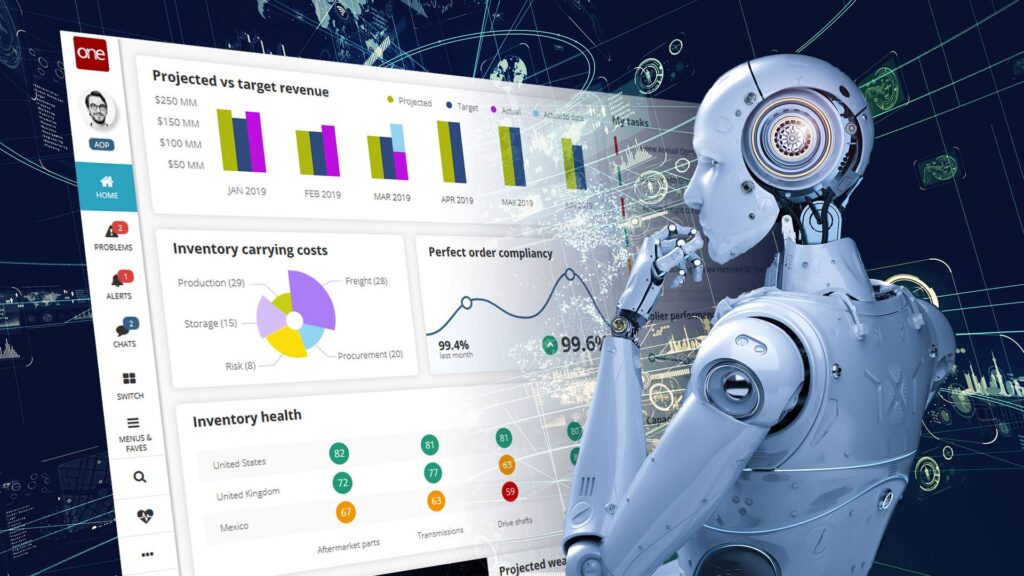
Artificial intelligence AI is set to be a transformative force in the tech gadget supply chain in 2026. On one hand, AI offers unprecedented opportunities for optimization, forecasting, and automation. AI-powered systems can analyze vast datasets to predict demand fluctuations with greater accuracy, optimize inventory levels, and streamline logistics routes. From autonomous warehouses to intelligent route optimization, AI promises to enhance efficiency, reduce costs, and improve responsiveness to disruptions. Agentic AI, in particular, holds the promise of systems making independent decisions to optimize various supply chain functions, from supplier selection to real-time re-routing of shipments.
However, as AI becomes more widespread, it introduces new complexities and concerns.. The immense computational power and data requirements for advanced AI systems translate into increased energy consumption, raising concerns about sustainability. Furthermore, the ethical implications of AI, particularly concerning job displacement and data privacy, require careful consideration. Companies must also ensure they have clean, well-structured data to feed these AI systems, a hurdle for many organizations still reliant on legacy infrastructure. The rapid evolution of AI also necessitates continuous upskilling of the workforce and investment in robust cybersecurity measures to protect sensitive data.
Cybersecurity Threats: A Constant Vigil
As tech gadget supply chains become increasingly digitized and interconnected, they also become more vulnerable to cyberattacks. From ransomware crippling logistics networks to data breaches compromising sensitive intellectual property, cybersecurity threats are a persistent and evolving challenge in 2026. A single point of failure within the extended supply chain can have cascading effects, leading to production delays, financial losses, and significant reputational damage.
In response to these challenges, organizations are prioritizing investment in:
- Robust cybersecurity protocols: Implementing advanced encryption, multi-factor authentication, and regular security audits across all digital touchpoints.
- Supplier risk management: Thoroughly vetting third-party suppliers for their cybersecurity posture and establishing clear security requirements in contracts.
- Real-time threat monitoring:Leveraging AI and machine learning to identify and respond to suspicious activity as it happens.
- Employee training: Educating staff about common cyber threats and best practices for data security. You can find comprehensive resources on cybersecurity best practices at the National Institute of Standards and Technology (NIST).
Tech Gadget Logistics Solutions: Overcoming Infrastructure Bottlenecks
Even with advanced planning and technology, physical logistics and infrastructure limitations continue to pose challenges. Port congestion, labor shortages in transportation and warehousing, and insufficient last-mile delivery capabilities can all lead to delays and increased costs. The tech gadget industry, with its often tight production schedules and global distribution, is particularly susceptible to these bottlenecks.
In 2026, there’s a push towards creating more flexible and adaptable distribution networks. This includes exploring diversified shipping routes, leveraging regional distribution centers, and investing in automation within warehouses to improve throughput and reduce reliance on manual labor.
Coupons and Deals: Smart Savings in a Challenging Landscape
In an environment marked by fluctuating costs and supply chain complexities, finding smart ways to save can be crucial for consumers and businesses alike. Navigating the competitive tech gadget market often involves seeking out the best deals. Our dedicated coupons site, deepdiveinsight, provides a valuable resource for discovering discounts and promotional offers on a wide range of tech products and services. Keep an eye out for seasonal sales events, especially around major holidays like Black Friday, Cyber Monday, and back-to-school periods, as these often feature significant price reductions on popular gadgets. Smart shoppers can leverage these opportunities to acquire the latest tech while being mindful of their budget.
Building Resilience: Strategies for 2026 and Beyond
Overcoming these challenges requires a multi-faceted approach centered on building greater supply chain resilience. Key strategies include:
- Enhanced Visibility: Gaining end-to-end transparency across the entire supply chain, from raw material sourcing to final delivery. This involves leveraging IoT sensors, blockchain technology, and advanced analytics to track goods and identify potential disruptions in real-time.
- Diversification: Minimizing dependence on single suppliers or regions for essential components and production.This could involve dual sourcing, establishing manufacturing facilities in multiple countries, and developing alternative transportation routes.
- Agile Manufacturing: Implementing flexible production processes that can quickly adapt to changes in demand, supply availability, or unforeseen disruptions. This includes adopting modular designs and investing in automation to enable rapid retooling.
- Collaborative Partnerships: Fostering strong, collaborative relationships with key suppliers, logistics providers, and even competitors to share information, best practices, and resources during times of crisis.
- Digital Twins: Creating virtual replicas of physical supply chains to simulate different scenarios, identify vulnerabilities, and test various mitigation strategies before implementing them in the real world.

Conclusion
The tech gadget industry’s supply chain in 2026 is a dynamic and intricate ecosystem, constantly evolving in response to global events, technological advancements, and shifting consumer demands. While challenges such as geopolitical instability, raw material scarcity, and cybersecurity threats remain significant, the industry is increasingly equipped with innovative strategies and technologies like AI to build more resilient, efficient, and sustainable networks. By embracing transparency, diversification, and collaborative partnerships, tech companies can navigate the complexities of the modern supply chain and continue to deliver the cutting-edge gadgets that define our digital world.
FAQs
What are the biggest challenges for tech gadget supply chains in 2026?
Key challenges include geopolitical shifts, raw material scarcity, cybersecurity threats, and the complexities of integrating advanced AI technologies.
In what ways is AI reshaping the tech supply chain in 2026?
AI is enhancing demand forecasting, optimizing inventory, automating logistics, and improving overall efficiency and responsiveness.
Why is sustainability important in the tech gadget supply chain? Sustainability addresses ethical sourcing, reduces environmental impact, and meets increasing consumer and regulatory demands for responsible practices.
How can tech companies build more resilient supply chains?
Strategies include enhancing visibility, diversifying suppliers, adopting agile manufacturing, and fostering collaborative partnerships.
Where can I find deals on tech gadgets?
You can find various coupons and deals on tech gadgets at deepdiveinsight, especially during seasonal sales.