

The world of consumer electronics is undergoing a quiet revolution, one driven not just by faster processors or sleeker designs, but by a profound commitment to sustainability. “Green innovation” is no longer just a buzzword; it’s a fundamental shift in how our favorite gadgets are conceived, manufactured, and ultimately disposed of. From the smartphones in our pockets to the smart homes we inhabit, sustainable tech is reshaping the landscape of consumer electronics, offering a future where convenience and environmental responsibility go hand-in-hand.
Why Green Innovation Matters in Consumer Electronics: The Benefits of Green Electronics
For decades, the electronics industry has grappled with a significant environmental footprint. Resource extraction for raw materials, energy-intensive manufacturing processes, and the ever-growing mountain of electronic waste (e-waste) have presented formidable challenges. However, a growing awareness among consumers, coupled with advancements in material science and production techniques, has spurred a powerful movement towards more sustainable practices. This shift isn’t just about PR; it’s about building a more resilient and responsible industry, offering substantial benefits of green electronics like reduced pollution, resource conservation, and a healthier planet.
Eco-Conscious Design on the Rise: A Lifecycle Approach
The journey towards sustainable electronics begins long before a product ever reaches a store shelf. It starts with eco-conscious design principles that consider the entire lifecycle of a device.
Rethinking Materials: The Quest for Recycled and Renewable Resources
One of the most impactful areas of green innovation is the move away from virgin materials towards recycled and renewable alternatives. Companies are increasingly incorporating post-consumer recycled plastics, recycled aluminum, and even bio-based materials into their products. For instance, some manufacturers are now using recycled rare earth elements in their magnets, significantly reducing the environmental impact associated with mining these crucial components. The goal is to close the loop, turning waste into valuable resources and minimizing the demand for finite raw materials.
Energy Efficiency: Powering Devices with a Lighter Touch
Beyond materials, the energy consumption of electronics throughout their lifespan is a critical consideration. Sustainable tech emphasizes energy-efficient components, optimized power management systems, and even advancements in charging technologies. This means devices that last longer on a single charge, consume less power when idle, and contribute to lower energy bills for consumers. From laptops with extended battery life to smart home devices that intelligently manage energy usage, efficiency is at the forefront of green design.
Modular and Repairable Designs: Extending Product Lifespans
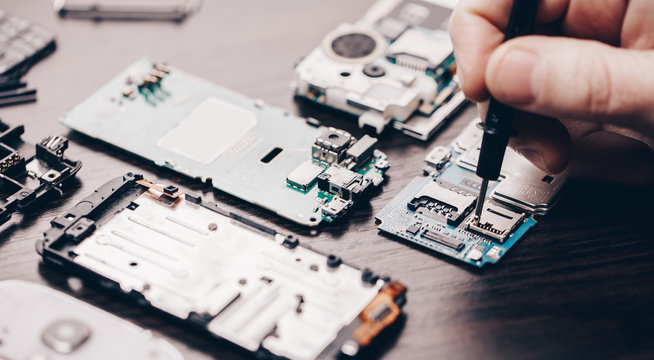
Planned obsolescence—designing products to become outdated or unusable—is fundamentally opposed to sustainability.Green innovation champions modular and repairable designs, allowing consumers to easily replace components like batteries or screens, rather than discarding an entire device. This “right to repair” movement empowers consumers and drastically reduces e-waste, promoting a circular economy where products are valued for their longevity.

Catchy Tech: Innovations Driving Green Innovation in Consumer Electronics
The impact of green innovation in consumer electronics is evident across various categories of consumer electronics.
Smartphones: Sustainable Smartphone Manufacturing Takes Center Stage
The ubiquitous smartphone is a prime example of where sustainable efforts are making a real difference. Through sustainable smartphone manufacturing, manufacturers are incorporating recycled materials into phone casings, using responsibly sourced minerals, and even offering trade-in programs to facilitate proper recycling. Furthermore, advancements in software optimization are leading to less power-hungry applications, extending battery life and reducing the frequency of charging.
Smart Home Devices: Eco-Friendly Tech for Greener Living
Smart home technology, designed to optimize comfort and efficiency, is inherently aligned with sustainability. Sustainable tech smart home devices like smart thermostats that learn your habits and adjust temperatures accordingly, energy-monitoring smart plugs, and intelligent lighting systems all contribute to reduced energy consumption. The integration of renewable energy sources, like solar panels, with smart home ecosystems further amplifies their green credentials.

Laptops and PCs: Powerful Performance, Sustainable Footprint
The world of computing is also embracing sustainability. Modern laptops and desktops now feature energy-efficient processors, passive cooling, and modular components for easier upgrades. Companies are also focusing on sustainable packaging, reducing the use of plastics and opting for recycled and recyclable materials. For insights into the latest sustainable computing trends, you might want to visit deepdiveinsight.
Wearable Tech: Mindful Monitoring for a Better Planet
Even compact wearable devices, like smartwatches and fitness trackers, are subject to green innovation. Manufacturers are exploring the use of recycled silicon for chips, bio-based plastics for straps, and more efficient battery technologies. The focus here is on miniaturization without compromise on environmental responsibility.
Beyond the Product: Sustainable Practices in the Supply Chain
Green innovation extends beyond the design and manufacturing of individual products to encompass the entire supply chain.
Ethical Sourcing: Ensuring Responsible Mineral Extraction
The extraction of raw materials for electronics can have significant social and environmental impacts. Sustainable tech initiatives include robust ethical sourcing programs that aim to prevent the use of conflict minerals and ensure fair labor practices in mining operations. To learn more about ethical sourcing and supply chain transparency, a valuable resource is the Responsible Business Alliance (RBA), which provides a code of conduct for electronics industry supply chains: responsiblebusiness. Transparency in the supply chain is becoming increasingly important, allowing consumers to make informed choices.
Responsible Manufacturing: Reducing Emissions and Waste
Factories producing consumer electronics are increasingly adopting renewable energy sources, implementing water recycling programs, and minimizing waste generation. The goal is to reduce the carbon footprint of production and create a more environmentally sound manufacturing process.
End-of-Life Management: The Imperative of E-Waste Recycling
The growing volume of e-waste is a critical environmental concern. Sustainable tech emphasizes robust take-back programs, accessible recycling initiatives, and responsible disposal methods. Companies are investing in advanced recycling technologies to recover valuable materials from discarded electronics, preventing them from ending up in landfills. For comprehensive information on electronics recycling and donation options in the US, the Environmental Protection Agency (EPA) offers valuable resources: [epa.gov].
Get Smart About Sustainable Tech: Deals and Discounts
Embracing sustainable tech doesn’t mean breaking the bank. Many retailers and manufacturers are offering incentives to encourage the adoption of greener electronics. Keep an eye out for promotions on energy-efficient appliances, products made from recycled materials, or devices with extended warranties that promote longevity. For the latest deals and exclusive coupons on sustainable tech products, be sure to check out deepdiveinsight. You might find fantastic offers on everything from eco-friendly smart home gadgets to laptops with a lighter environmental footprint.
The Future is Green: A Call to Action
The move toward sustainable technology requires a shared commitment from manufacturers and consumers alike.. As consumers, our purchasing decisions hold immense power. By choosing products from companies committed to green innovation, supporting repair initiatives, and responsibly recycling our old electronics, we contribute to a more sustainable future. The evolution of consumer electronics is no longer just about cutting-edge features; it’s about building a healthier planet, one responsible gadget at a time. Let’s embrace this green revolution and power a brighter, more sustainable tomorrow.
Frequently Asked Questions
What are green electronics?
Green electronics are devices designed and manufactured with minimal environmental impact, using sustainable materials, energy efficiency, and promoting easy repair and recycling.
How do sustainable smartphones benefit me?
They offer longer lifespans, reduced environmental impact from manufacturing, and often better energy efficiency, saving you money on electricity and replacement costs.
Can smart home devices truly be sustainable?
Yes, sustainable tech smart home devices optimize energy use (thermostats, lighting) and can integrate with renewables, significantly reducing your home’s environmental footprint.
What is electronic waste, and why does it pose a serious environmental challenge?
E-waste is discarded electronic equipment. It’s a problem because it contains hazardous materials that can harm the environment if not properly recycled or disposed of.
How can I contribute to sustainable tech?
Choose products from eco-conscious brands, prioritize repair over replacement, extend device lifespans, and properly recycle your old electronics through certified programs